
Every day, somewhere in the world, a politician steps up, checks the mic, and starts talking. Some do it in crowded stadiums. Others speak in parliament, at colleges, at election meetings, or when the country is in trouble. Most of those speeches are forgotten by the next day. A few make the news for a short while. Only a very small number stay with us for years.
People still quote them. Students read them. Historians study them. Whole generations remember exactly where they were when those words were spoken.
So what turns a normal speech into one that history keeps?
It is easy to think the answer is a gifted speaker. Charm helps. A strong voice, steady body language, and clear delivery can hold a crowd. But history shows that good speaking is not enough on its own.
Some of the best speakers have given talks that vanished almost at once. At the same time, some of the most powerful speeches in history were plain and simple.
The real difference is something else.
A historic speech does more than fill the air. It catches a moment.
Timing is everything
Every speech we still remember is tied to a big moment.
Jawaharlal Nehru’s “Tryst with Destiny” was not just well written. It marked the birth of free India.
Martin Luther King Jr.’s “I Have a Dream” stayed with us because it spoke for millions who wanted equality.
Winston Churchill’s war speeches are remembered not because they sounded pretty. They are remembered because a scared nation needed courage.
The words mattered. But the moment mattered just as much.
A speech that comes too early can sound like a dream that will never happen. The same speech that comes too late can feel empty.
History keeps the leaders who sense when their people are ready to hear certain words.
Great speeches say what people already feel but cannot put into words
Sometimes people know something is wrong. They feel worried. Hopeful. Angry. Unsure. But they cannot find the right words.
A strong speech does that work for them. It gives shape to feelings that are already there.
People do not walk away thinking, “That was nicely written.” They walk away thinking, “Yes. That is exactly how I feel.”
That kind of connection is hard to fake. It comes from listening to people first, before trying to talk to them.
The best speakers are often the best listeners.
Simple words travel farther than fancy ones
Politics loves complicated language. Policy papers run to hundreds of pages. Budgets are full of technical words. Official reports can be hard for ordinary people to follow.
Great speeches go the other way. They keep things clear without talking down to anyone.
Think of the lines history still holds on to.
“I have a dream.”
“Ask not what your country can do for you…”
“At the stroke of the midnight hour…”
None of these needed a dictionary. They were short. Clear. Human. They painted pictures instead of listing numbers.
People rarely remember statistics. They remember stories.
A historic speech gives people a reason to act
Many speeches list problems. Very few give people a purpose.
Anyone can talk about inflation, joblessness, corruption, or unfairness. A speech that lasts does one more thing. It shows people why their own efforts matter. It makes them feel like they are part of the story, not just watching it.
The leaders we remember do not just ask for support. They invite people to build something together.
That shift from “my plan” to “our future” is often what turns campaign talk into real leadership.
Honesty cannot be written by a committee
Today many political speeches are put together by teams of writers, researchers, and media people. Preparation is fine. But people have become good at spotting when something feels fake.
They may forget most of the lines. They will remember whether the speaker seemed to mean what he or she said.
A perfect speech loses power if people sense the speaker does not believe the words. An imperfect speech spoken with real feeling can stay with them for a long time.
Honesty builds trust. And trust gives words their weight.
Great speeches hold both hope and hard truth
History does not keep speeches that are only bright and cheerful. It also does not keep ones that only complain.
The ones that last look at the hard parts and still offer hope.
Churchill never pretended the war would be easy. Martin Luther King never pretended discrimination was gone. Nelson Mandela never pretended South Africa’s past was painless.
They faced the difficulty. But they refused to let difficulty be the end of the story.
People do not need leaders to pretend everything is fine. They need leaders who help them move through the hard times.
Speeches alone do not change history
We sometimes act as if a few strong words changed a country overnight. Real life is messier.
Speeches almost never change history by themselves. People do. Movements do. Institutions do. Policies do.
A speech becomes historic because it catches a movement that is already growing, or because it helps people start one.
Words have power. But words without action fade.
History keeps the speeches that were followed by real leadership.
The age of viral clips
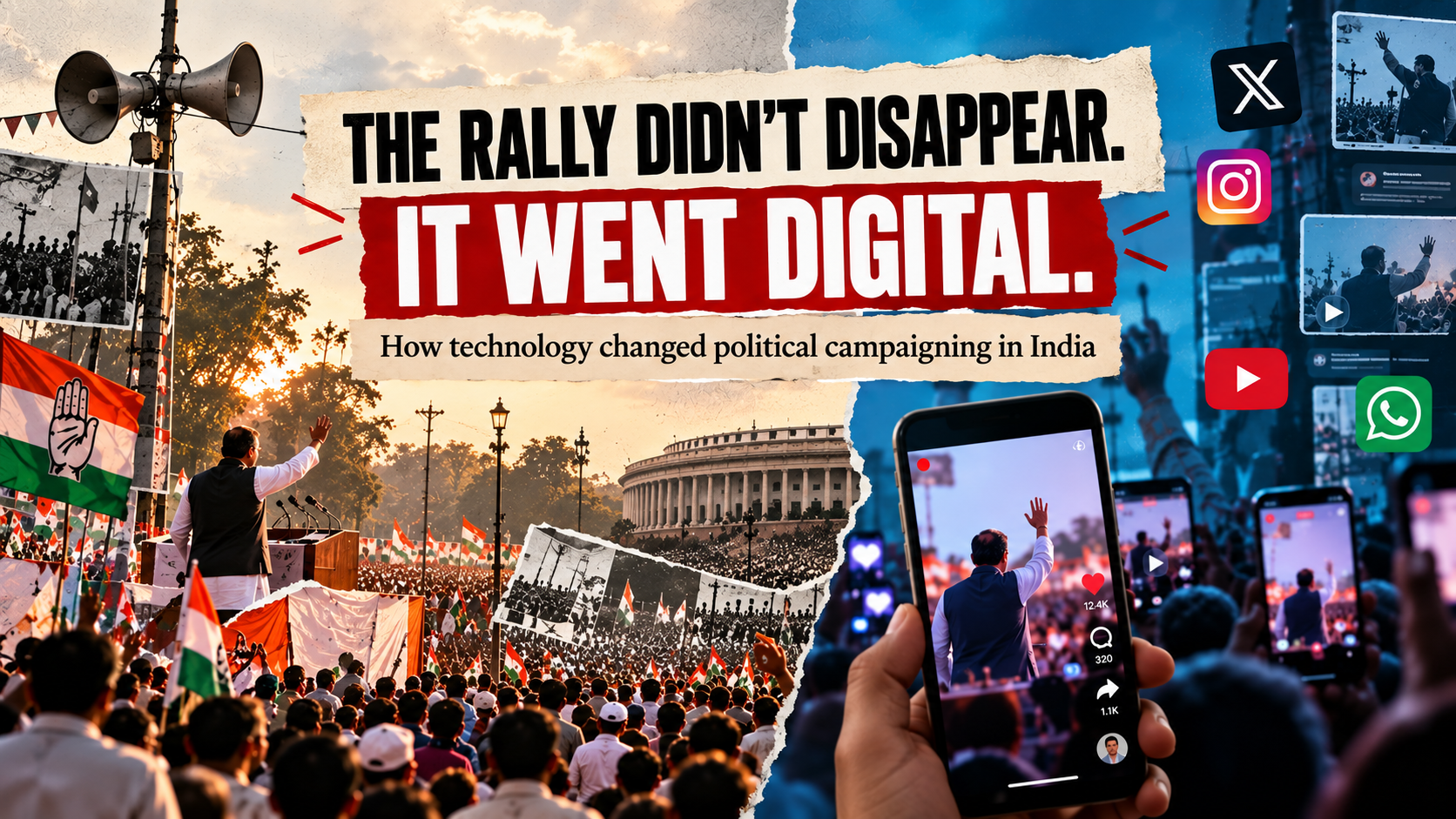
Today a speech is not only heard by the people in the room. In minutes, short pieces appear on social media. One line becomes a headline. One look becomes a meme. One slip becomes national news.
This brings a new pressure. Many leaders now speak for the feed instead of for the long run. The aim becomes a clip that spreads fast rather than a message that lasts.
But going viral and mattering in history are not the same thing.
A speech that reaches fifty million views today can be forgotten next year. A speech heard by only a few thousand people can shape a whole generation.
History has never judged greatness by view counts.
What remains
Long after governments change and elections end, certain speeches stay. They become windows into what an age valued, feared, hoped for, and dreamed about.
Some remind us of times when people came together. Others remind us of the cost of division. Either way, they become part of a country’s shared memory.
That is why speeches matter. Not because they are shows. But because they show what leaders choose to stand for when history is paying attention.
In the end, a historic speech is not remembered because it was delivered perfectly. It is remembered because it came at the right time, spoke with honesty, brought clarity when things felt unclear, and helped people believe that tomorrow could be different from today.
The greatest speeches do not only fill a hall.
They keep echoing through the years.
What do you think makes a speech truly unforgettable? Is it the power of the words, the conviction of the speaker, the timing of the moment, or the mark those words leave on the people who come after us?

Leave a Reply